
How Solar Canopies are redefining functional spaces
In a world increasingly focused on sustainability, the design of outdoor spaces is evolving rapidly. Solar canopies, once seen as mere functional additions, are emerging as transformative elements that blend practicality, aesthetics, and environmental consciousness. These innovative structures are redefining the way we interact with outdoor environments, offering solutions that cater to modern needs without compromising on style or ecological responsibility.
Form and function
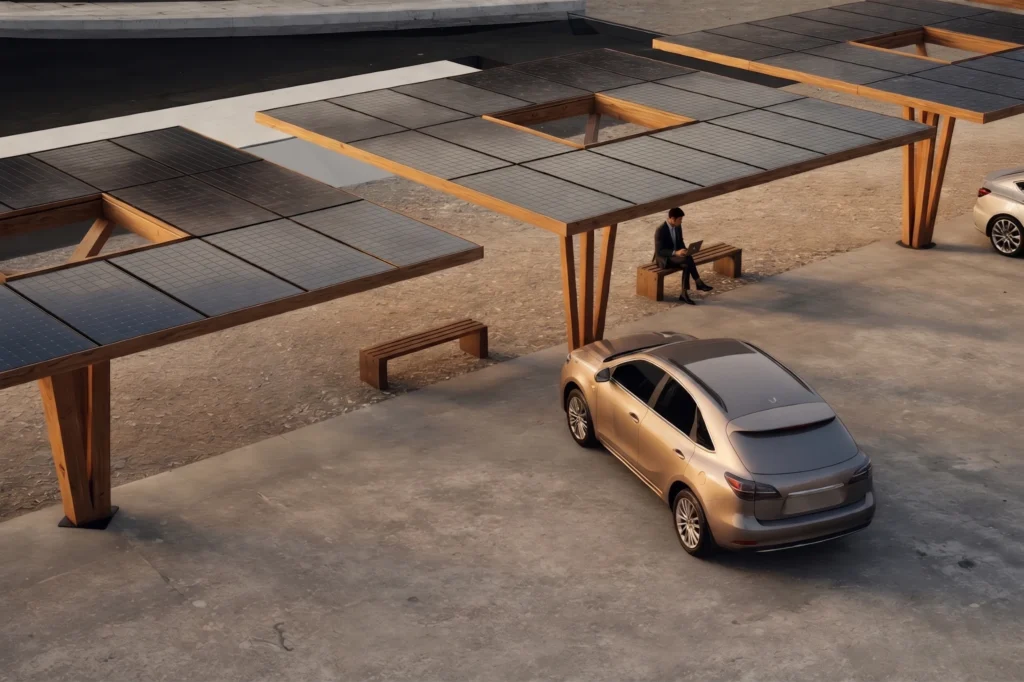
At their core, solar canopies are versatile structures that combine shading with energy generation. However, today’s designs have gone far beyond the utilitarian origins of these canopies. They are now meticulously crafted to serve as both practical installations and architectural statements. From sleek, minimalist carports to elegantly designed pergolas, solar canopies are being customized to seamlessly integrate into diverse outdoor spaces.
- Aesthetic Versatility: Solar canopies are available in a wide range of designs, from contemporary styles with clean lines to organic shapes that harmonize with natural surroundings. Options like custom solar pergolas and personalized gazebos allow property owners to tailor these installations to suit specific architectural themes.
- Material Innovation: Advances in materials, such as lightweight aluminum or premium wood finishes, have made solar canopies both durable and visually appealing. These structures can now be a natural extension of the property’s design language.
Key trends in Solar Canopies
As the demand for sustainability grows, solar canopy designs are evolving to meet both functional and aesthetic expectations. Here are some of the key trends shaping this industry:
1. Customization and Personalization
From gazebos with unique designs to solar pergolas tailored to specific dimensions, the emphasis is on creating structures that reflect individual tastes and complement the architecture of the space.
2. Multi-Functionality
Modern solar canopies are often designed with additional features, such as integrated lighting, smart monitoring systems, or connectivity for IoT devices. These innovations make outdoor spaces more interactive and practical.
3. Off-Grid Capabilities
The push towards self-sufficiency has driven the popularity of off-grid solar solutions. These canopies can store surplus energy, providing a reliable power source for homes or businesses even in remote locations.
4. Biophilic Design
Incorporating natural elements, such as greenery and organic shapes, into canopy designs ensures harmony with outdoor settings. This approach enhances the user’s connection to nature while maintaining modern functionality.
Why Solar Canopies are the future of Outdoor Design?
The rising popularity of solar canopies reflects a broader shift towards sustainability in design. By combining cutting-edge technology with sophisticated aesthetics, these structures are paving the way for a new era of outdoor living. They cater to the growing demand for spaces that are not only functional but also environmentally responsible and visually inspiring.
For architects, designers, and property owners, solar canopies offer a unique opportunity to redefine how we think about outdoor spaces. Whether it’s a solar pool cover, a bespoke parking structure, or a bioclimatic pergola, these solutions are setting the standard for the future of outdoor design.
With solar canopies, sustainability is no longer just an option – it’s an integral part of creating spaces that are as beautiful as they are purposeful.